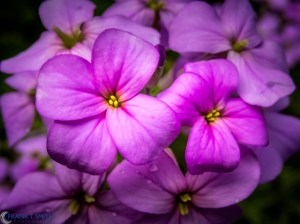
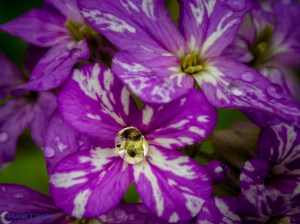
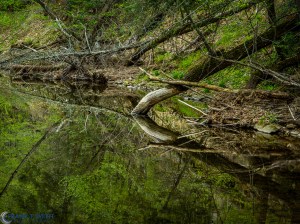
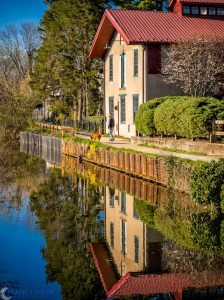
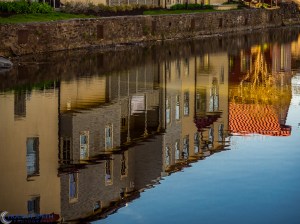
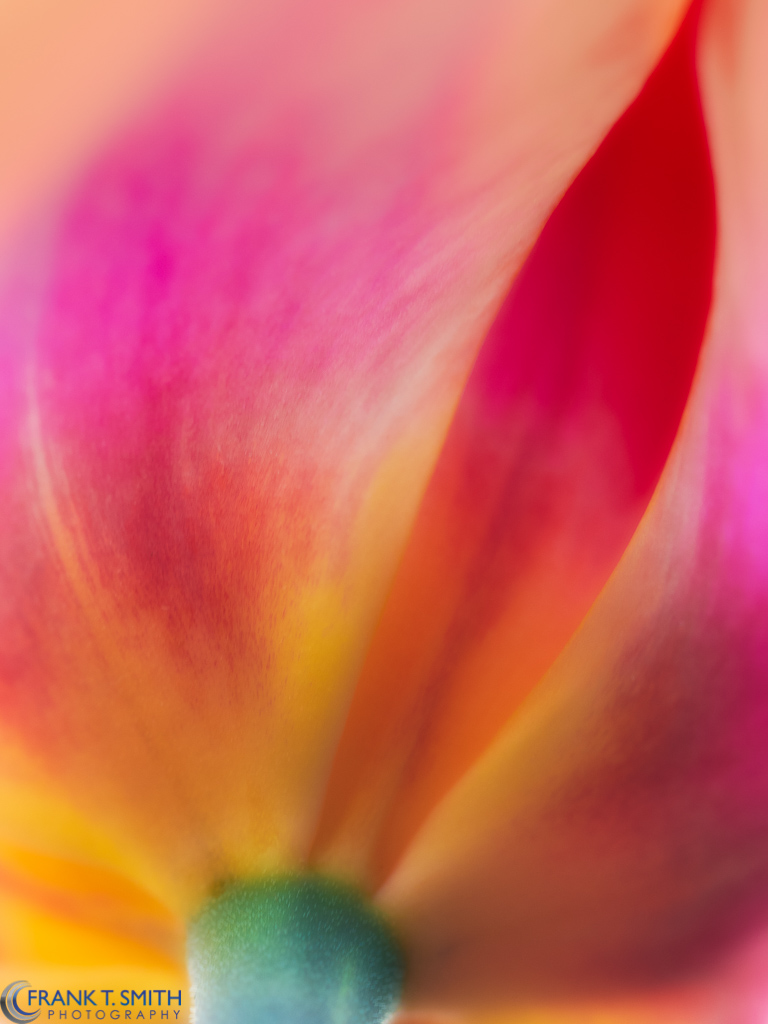
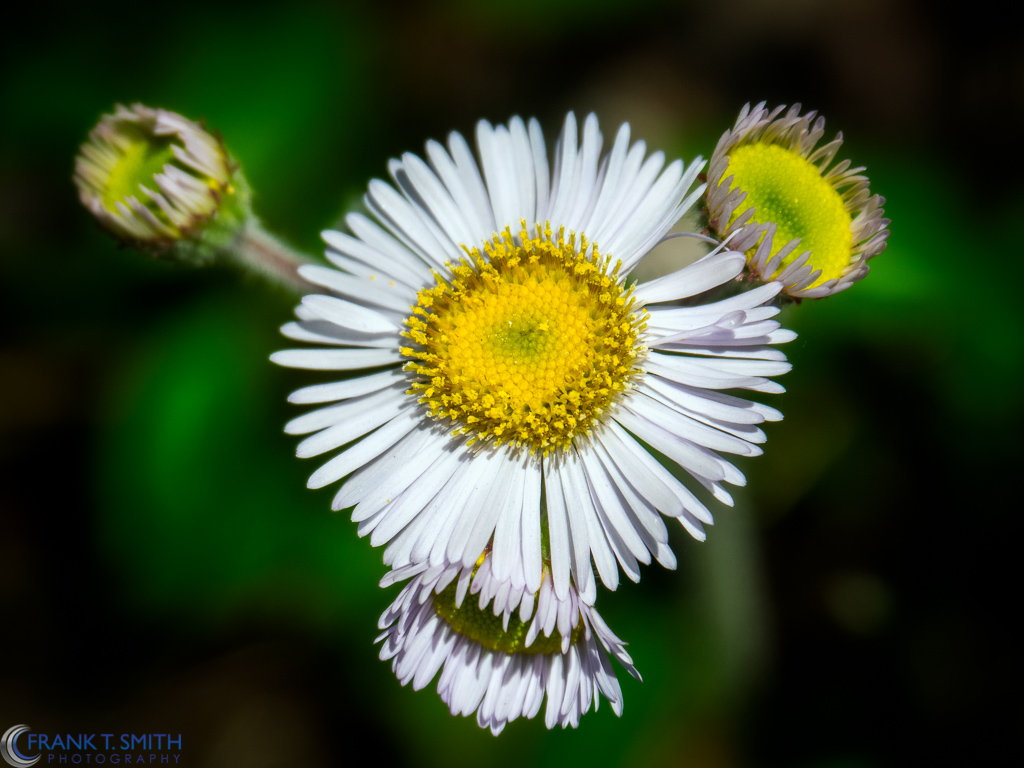
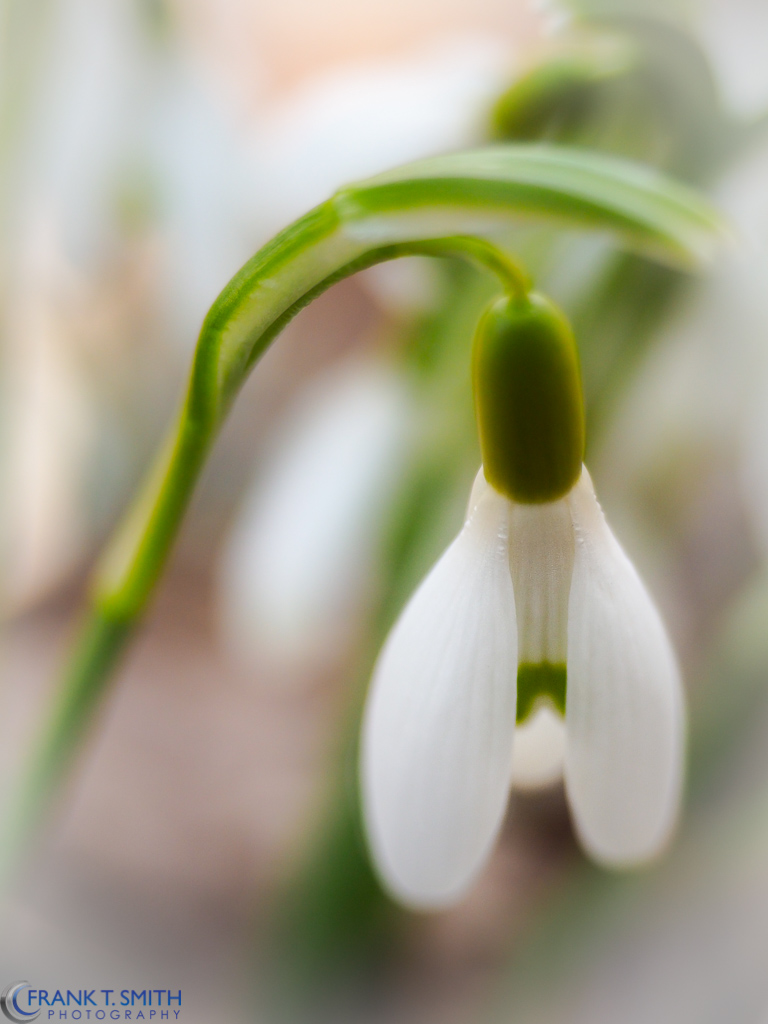
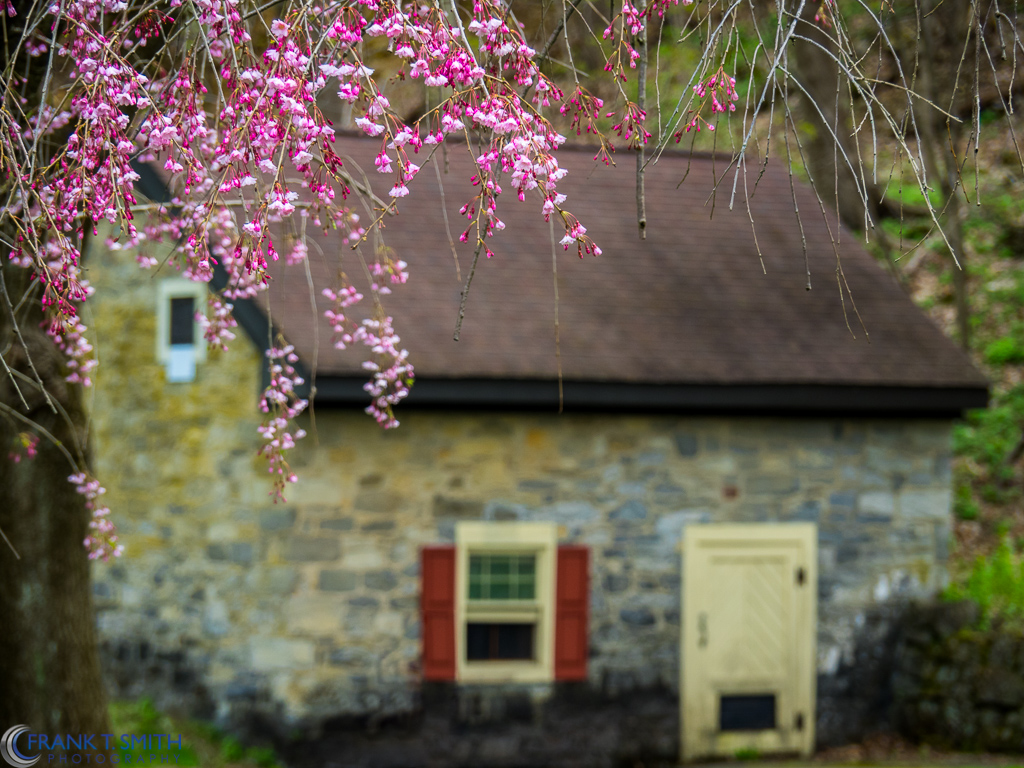
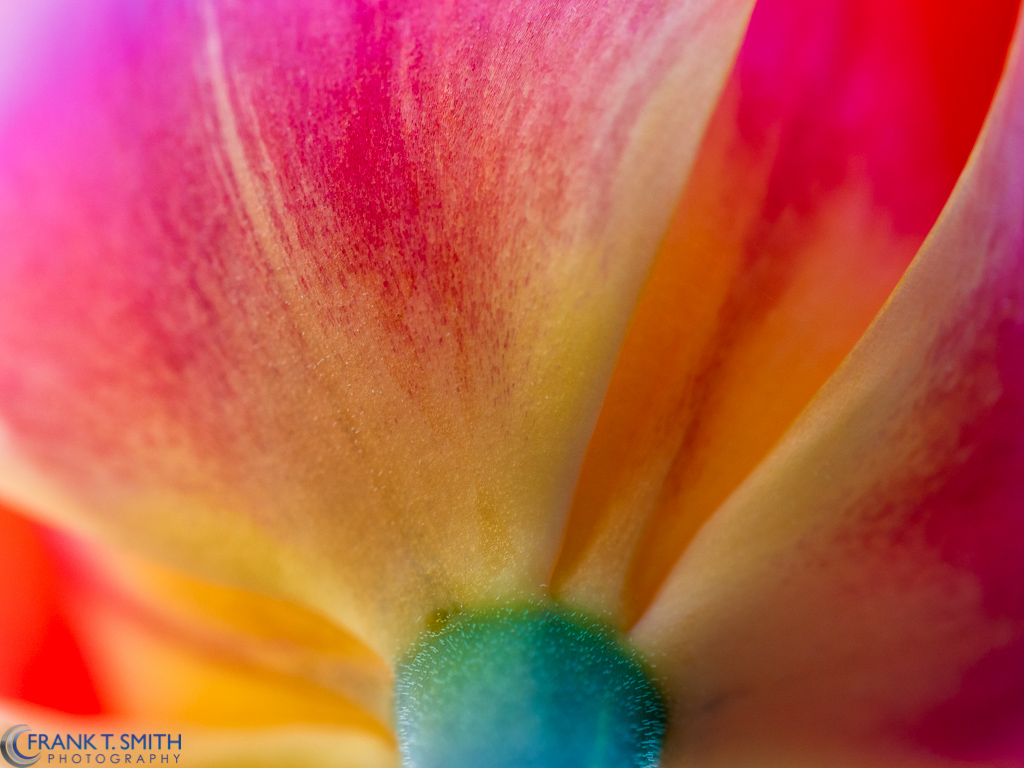
For many of us in the northeast, we had a fairly rainy weekend. This sends a lot of photographers to the indoors when this occurs. However, I find that this is where and when the opportunities present themselves. This is a time frame when I change up my gear and, for me, the the ideal equipment is my rugged Olympus TG-4 waterproof, crushproof & freezeproof camera. It has a very fast f2.o lens and allows me to shoot in RAW. All of the images were shot in the “Super Macro” mode.
Posts Tagged ‘spring
After the Rain
Paint the Night
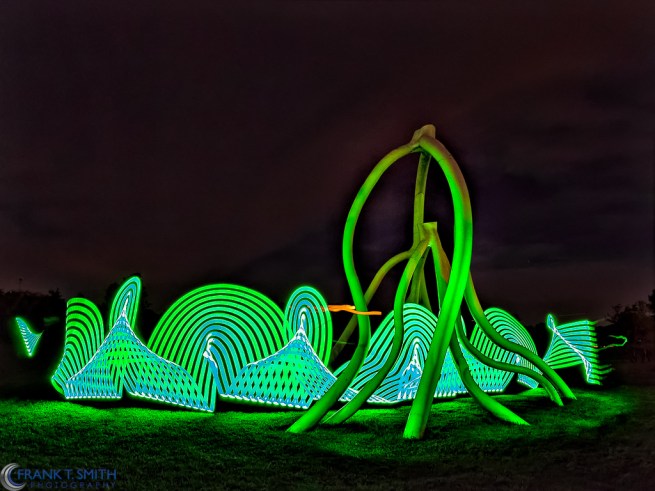
A couple of weeks ago I had the pleasure to run a workshop with Dan’s Camera City sponsored by Olympus, titled “Paint the Night”. I guess you can tell what the workshop was all about. We were fortunate that Steve Tobin, an incredible artist located in Quakertown, PA, allowed us to use the grounds of his studio. It was an amazing setup for doing light painting. As you can see we used multiple types of light sources from burning steel wool to Pixelsticks. It was a great evening with a great group of photographers. Of all of the images in this post, my favorite one is the last one. I call it “Kissing Angels”. I didn’t notice it at first. I discovered it after I downloaded it and saw it on my computer. It is actually part of a larger image. I have been asked if it was produced with smoke. The answer is no. It was done with a white LED light wand, in combination with the Olympus’s “Live Composite” mode.
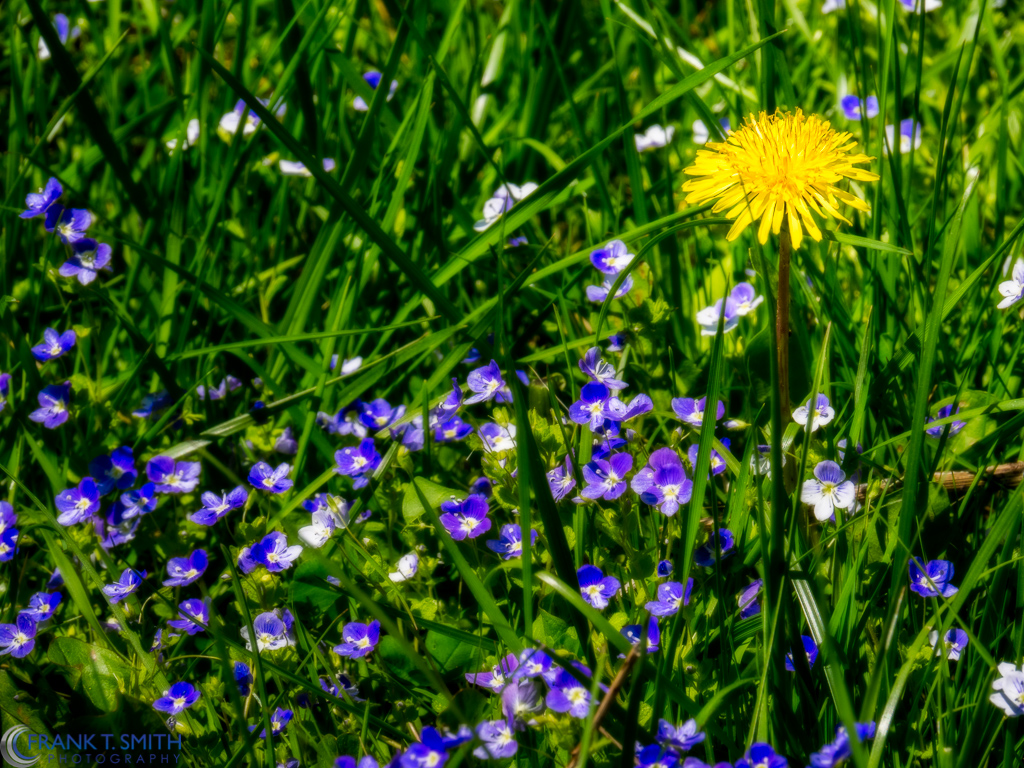
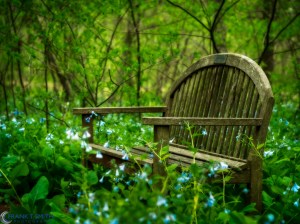
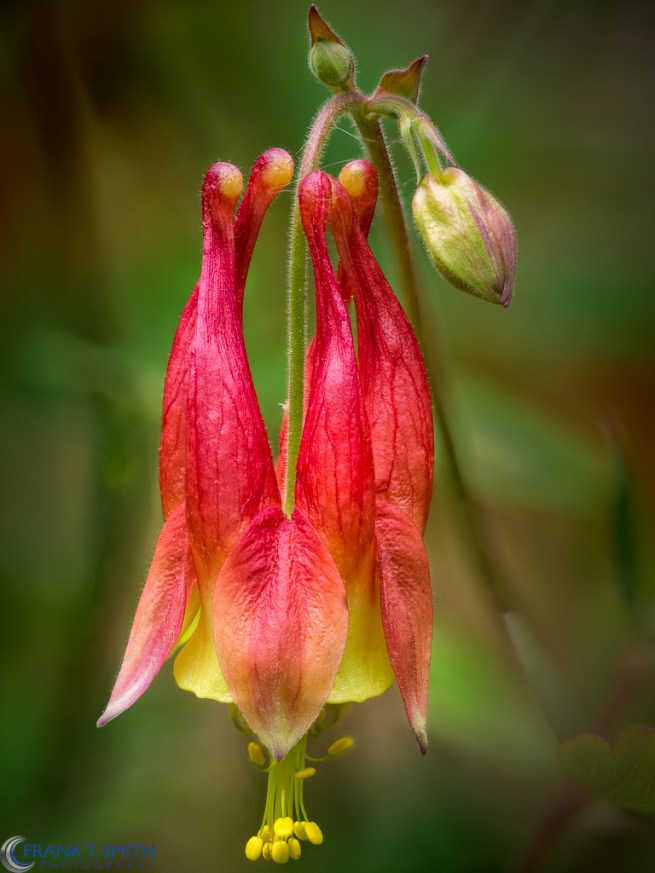
A few weeks ago I traveled with my friend and fellow photog, Dave Rehrig to the Bowman’s Hill Wildflower Preserve. It has been several years since my last visit to this beautiful Delaware Valley, Pennsylvania area. I had forgotten how beautiful this place is. They boast the fact that they have nearly 800 varieties of natural species (there are approximately 2000 species native to PA). More than 80 of which are rare, threatened or endangered native plants designated as Plants of Special Concern in Pennsylvania. Here is a link to Bowman’s Hill Website. All images were shot with the Olympus OM-D E-M5 MkII. The macro shots were taken with the M.Zuiko ED 60mm f2.8. The rest were taken with the M.Zuiko ED 12-40mm f2.8 PRO or the M.Zuiko ED 7-14mm f2.8 PRO. The last image of the flower is a series of 20 focus bracketed shots (which you can set to automatically shoot within the E-M5 Mk II) that provided me with a greater depth of field and thereby allowing me to have the front to the rear of the flower in full focus.
Spring at Jacobsburg State Park
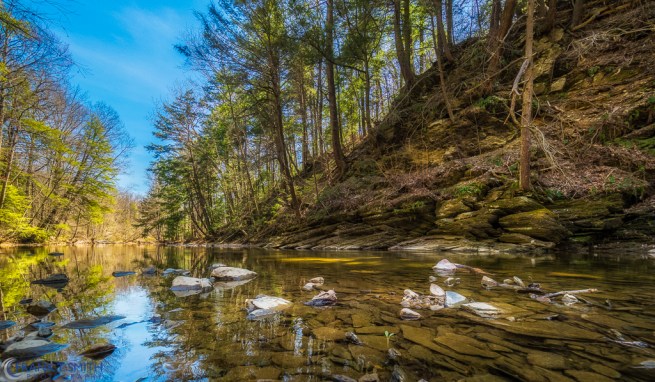
A few weeks ago, I made my second trek up to the Jacobsburg State Park. It is a beautiful park with well maintained trails. I had my Olympus OM-D E-M5 MkII in hand and it was paired with one of my very favorite lenses, the 7-14mm f2.8 PRO. This image was taken just before all of the spring foliage came alive. I shot this hand held at 1/20th of a second (thanks Olympus for the 5 axis image stabilization), ISO 400 at f/5.6.
I continue to do some more daytime experimenting with Olympus’ “Live Composite” mode. This a mode that is available on the OM-D series cameras. What it does, is allows you to take a sequence of exposures and build them over a period of time. The brilliant part about this is it won’t exceed any highlights and, the icing on the cake, is it produces an in-camera RAW file. Under normal circumstances, you would “blow out” the highlights in the image. Normally this process is used in evening photography. However, with the use of a neutral density (ND) filter you can create a daytime shot that appears to be in low light. The use of a tripod is an absolute necessity. Some of these exposures are about 5 minutes in length. The result is a beautiful painterly effect in the sky from the moving clouds. Lehigh University has a gorgeous campus and, with the right conditions, makes this an ideal location for this type of image.
Lumberville – Raven Rock Bridge
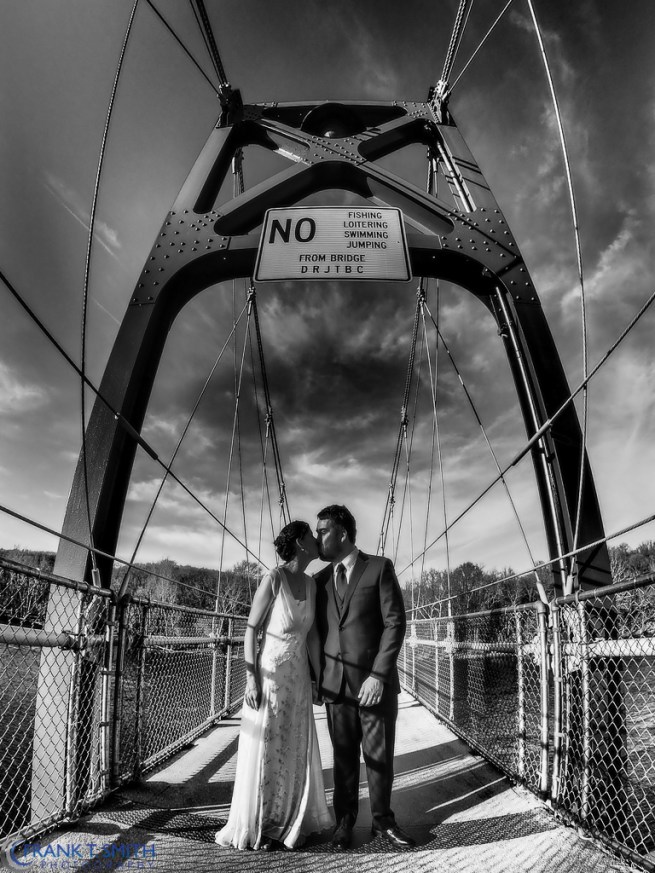
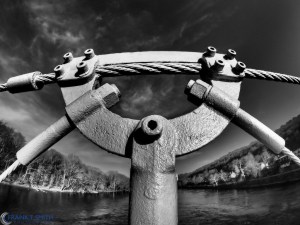
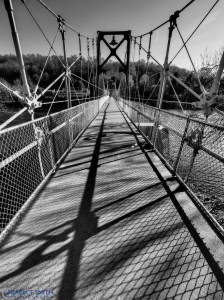
This past weekend I ventured to an area on the Delaware River known as the Lumberville – Raven Rock Bridge. The reason it was of interest to me is because it is a foot bridge. In this day and age, one rarely sees this. The original bridge was built in 1856 and what we see today was reconstructed in 1947. It connects Lumberville, PA and Raven Rock, NJ. The design was handled by John A. Roebling who is most famous for his design of the Brooklyn Bridge. All images were shot with the Olympus OM-D E-M5 MkII and the M.Zuiko ED 7-14mm f2.8 PRO or the ED 8mm F1.8 Fisheye PRO.
Hidden Gems of New Hope
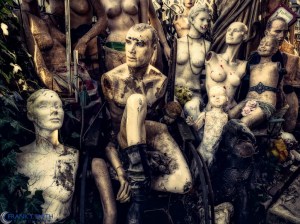
This past weekend I was in New Hope, PA. In the early days of our country, this was a mid-point between New York & Philly and of course, George Washington was supposed to have lodged here. Today, it is a vibrant eclectic arts community. There are visual treasures at every turn. However, you need to keep an open eye to catch many of them.
Spring is Here
Grand Central Terminal
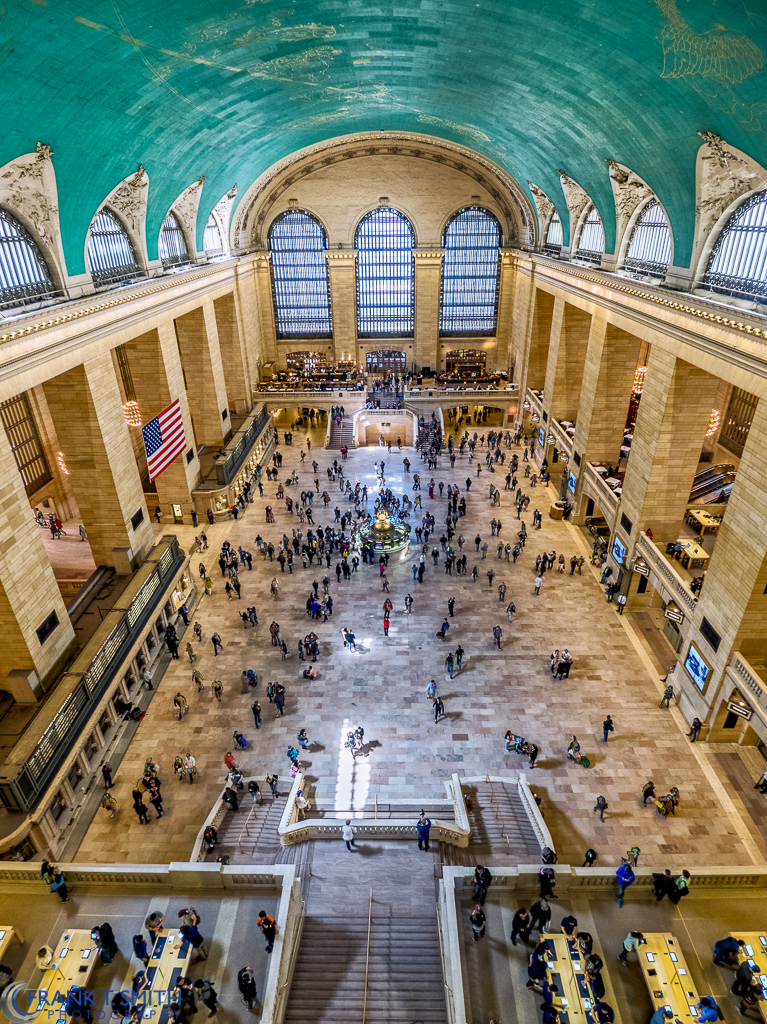
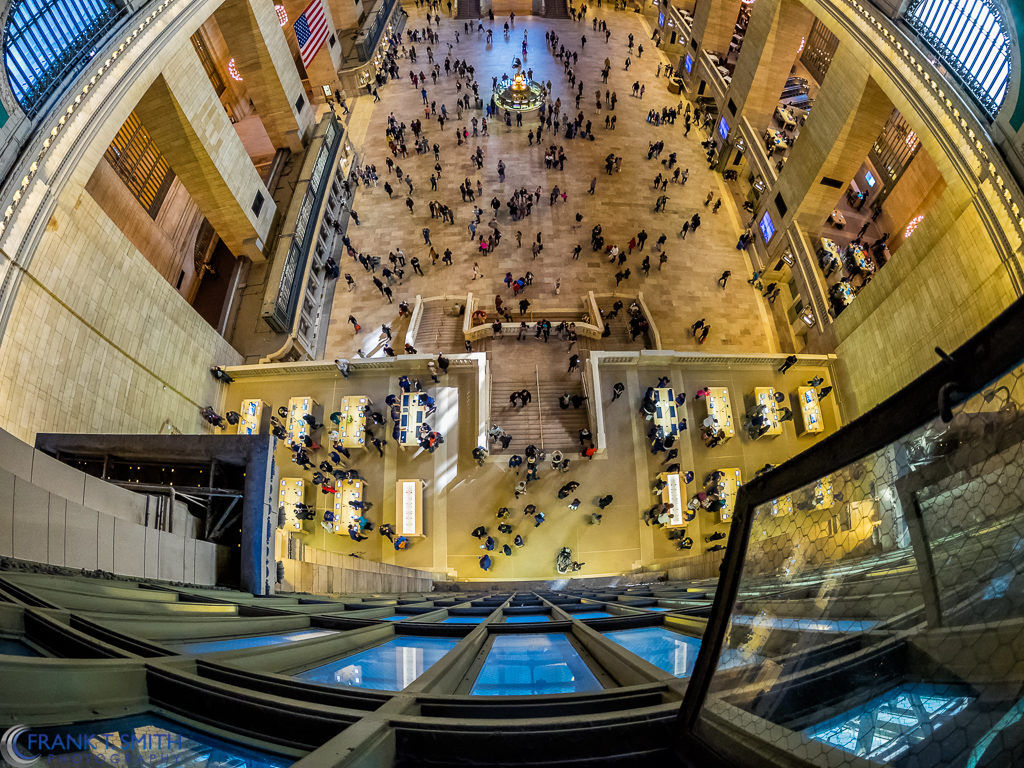
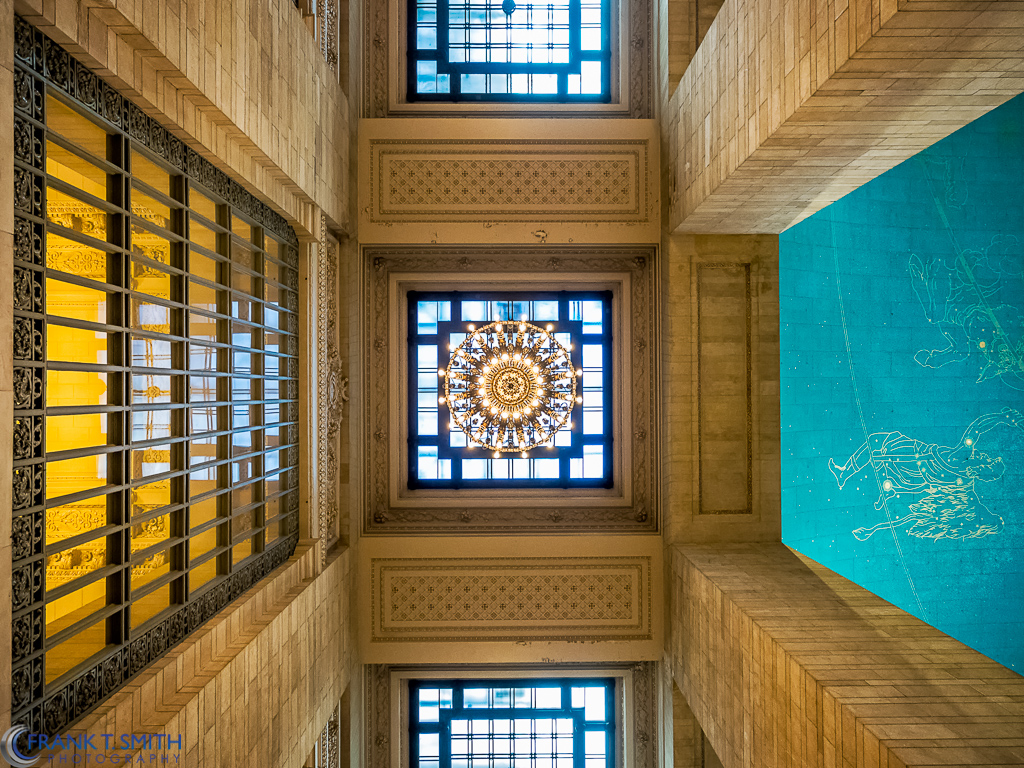
On behalf of Olympus & Unique Photo, I was privileged to do a presentation this past Friday evening at Unique’s store in Fairfield, NJ on the Grand Central Terminal and lead the photo tour, with an MTA guide, at the terminal on Saturday. This was an amazing experience. We were granted access to ares in the terminal I didn’t even know existed. At one point we were at the highest area in the structure that still allowed a view of the inside of the complex. There were many other vantage points that were amazing beyond belief. I had photographed here in June of 2012 (check out my earlier post from that event).
Rumor has it, that there will be another opportunity on May 30th to do this again. Keep an eye out on Unique Photo’s web site. This one sold out in 24 hours.
Red Mill
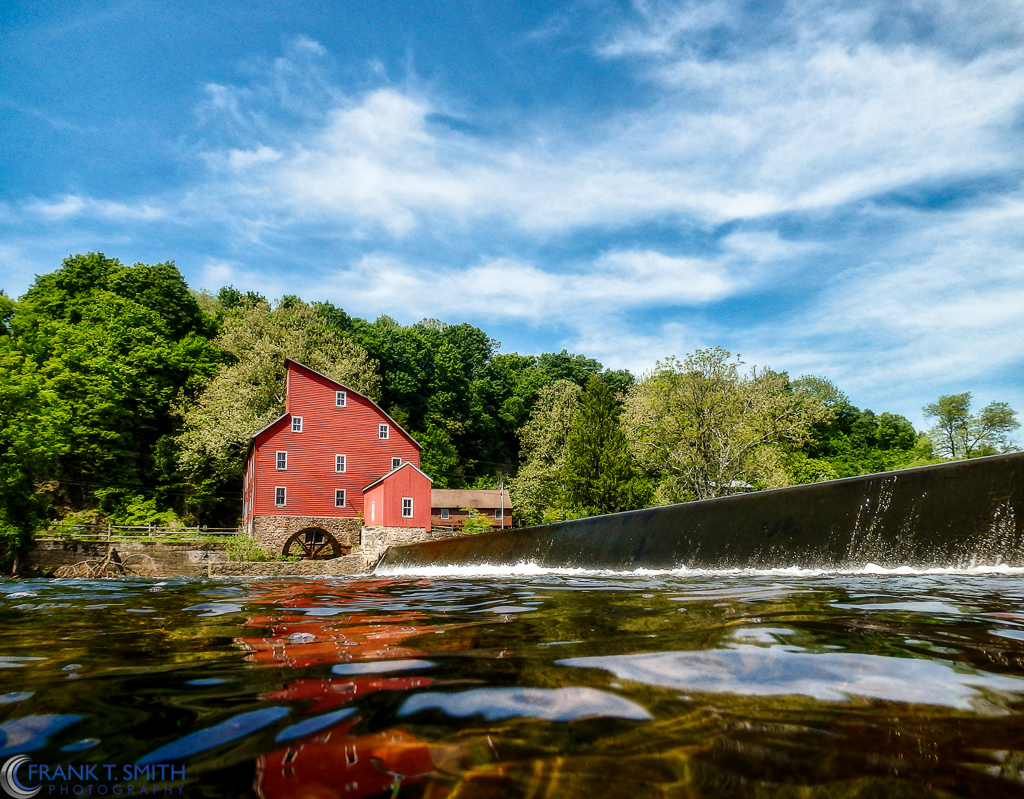
A couple of weeks ago I photographed the Red Mill in Clinton, NJ. I have seen many images from here, but I never checked it out myself. I now know why this is such a popular spot. The first image is a more conventional shot of the mill that I shot with my OM-D E-M1 with the 7-14mm lens. The second one, however, was shot from the other side of the river with the waterproof TG-850. The reason I mention this is because I made this shot with the camera being about 50% under water. I was able to do this because of the 180 degree flip LCD screen. To the best of my knowledge, this is the only underwater camera with a flip screen.